No items found.
東京都港区に位置する、倉庫を中心にボウリング場、レストラン、事務所などの複合用途によって構成されてきた大規模倉庫ビルの一角を対象としたリノベーションである。
当該ビルは、かつてバブル期を象徴するディスコ「ジュリアナ東京」を内包していた歴史を持ち、現在は倉庫建築ならではの大空間を生かした転用が各フロアで進められており、都市の消費文化と倉庫建築が交差した時代性を色濃く残している。
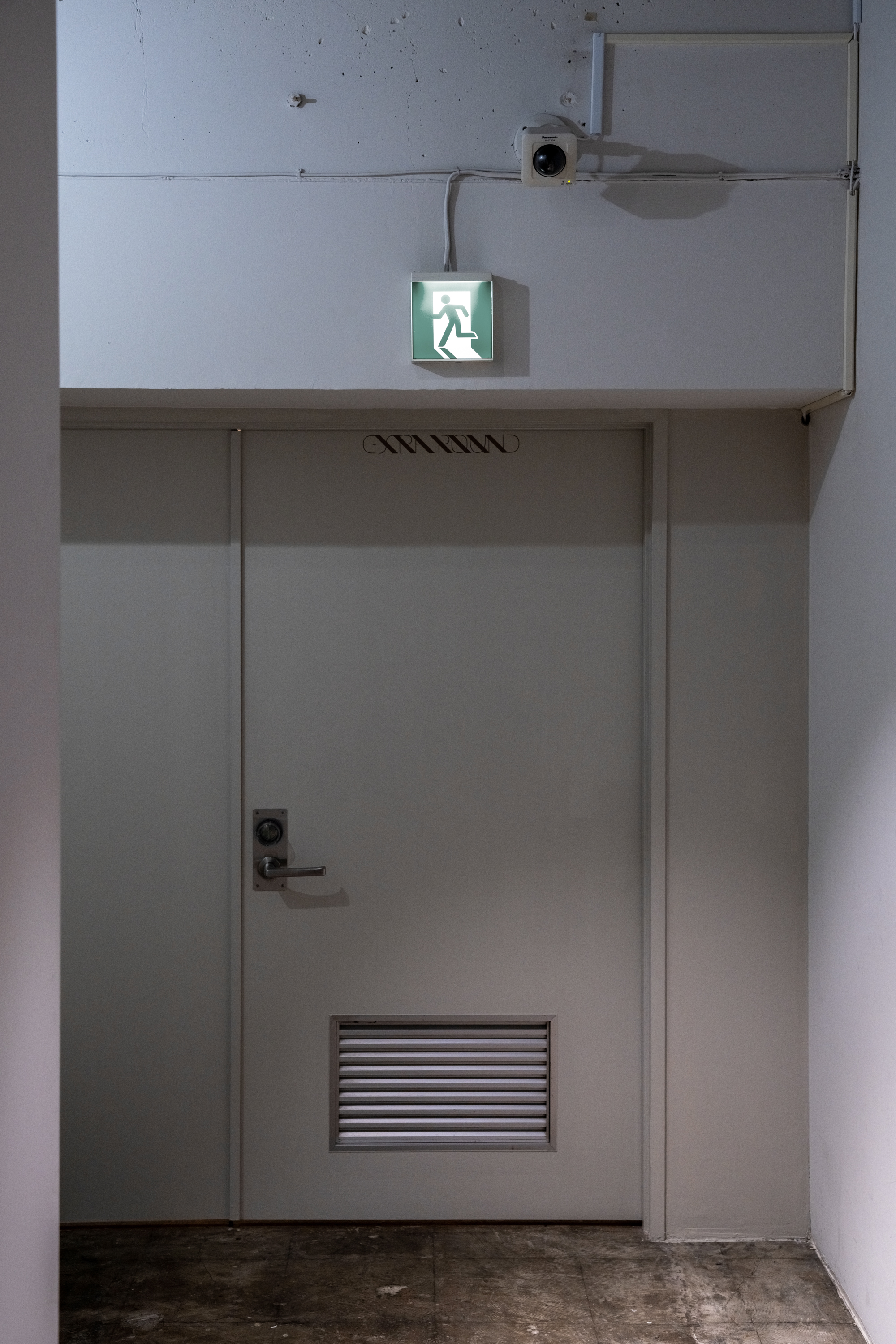
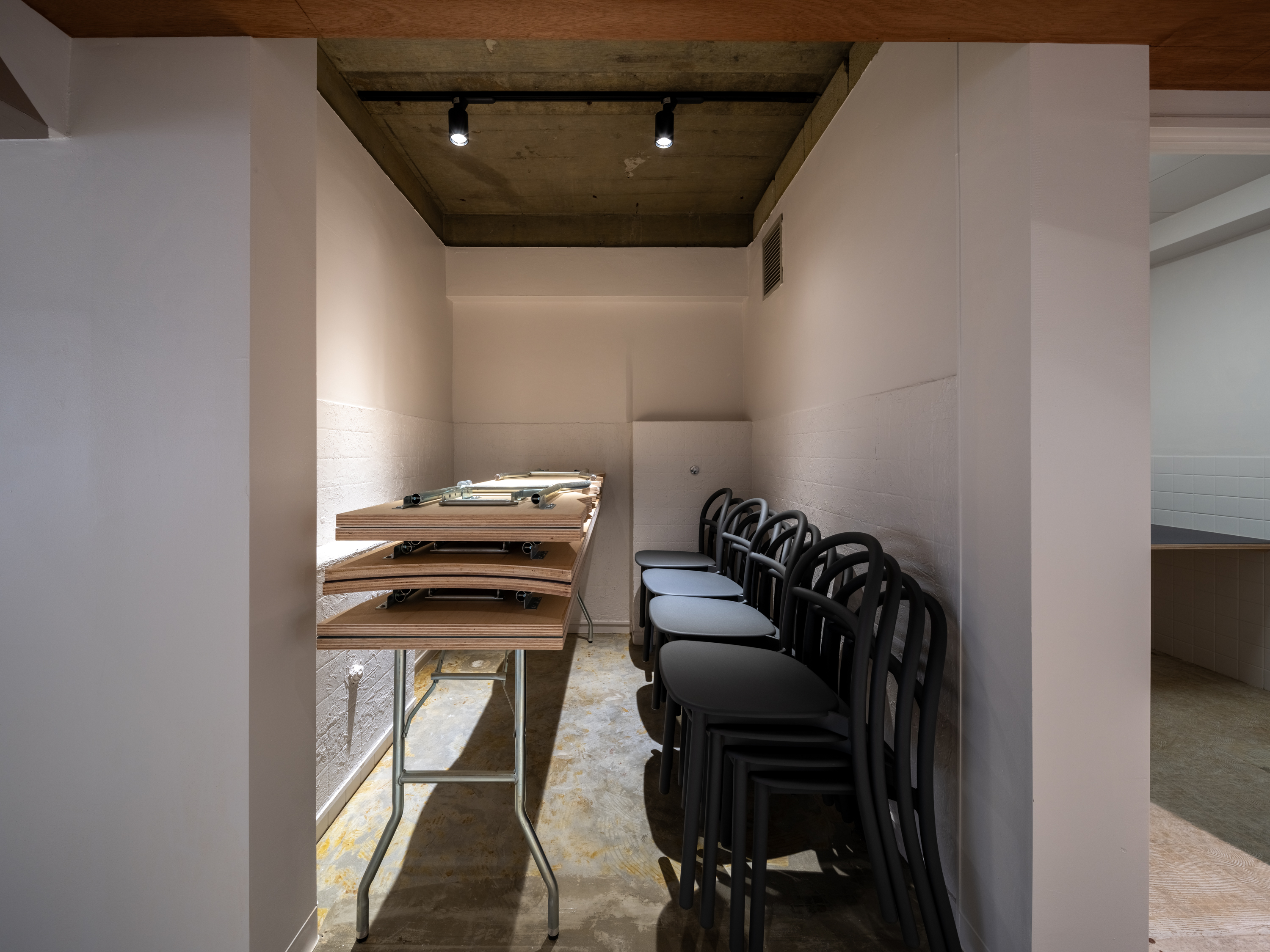
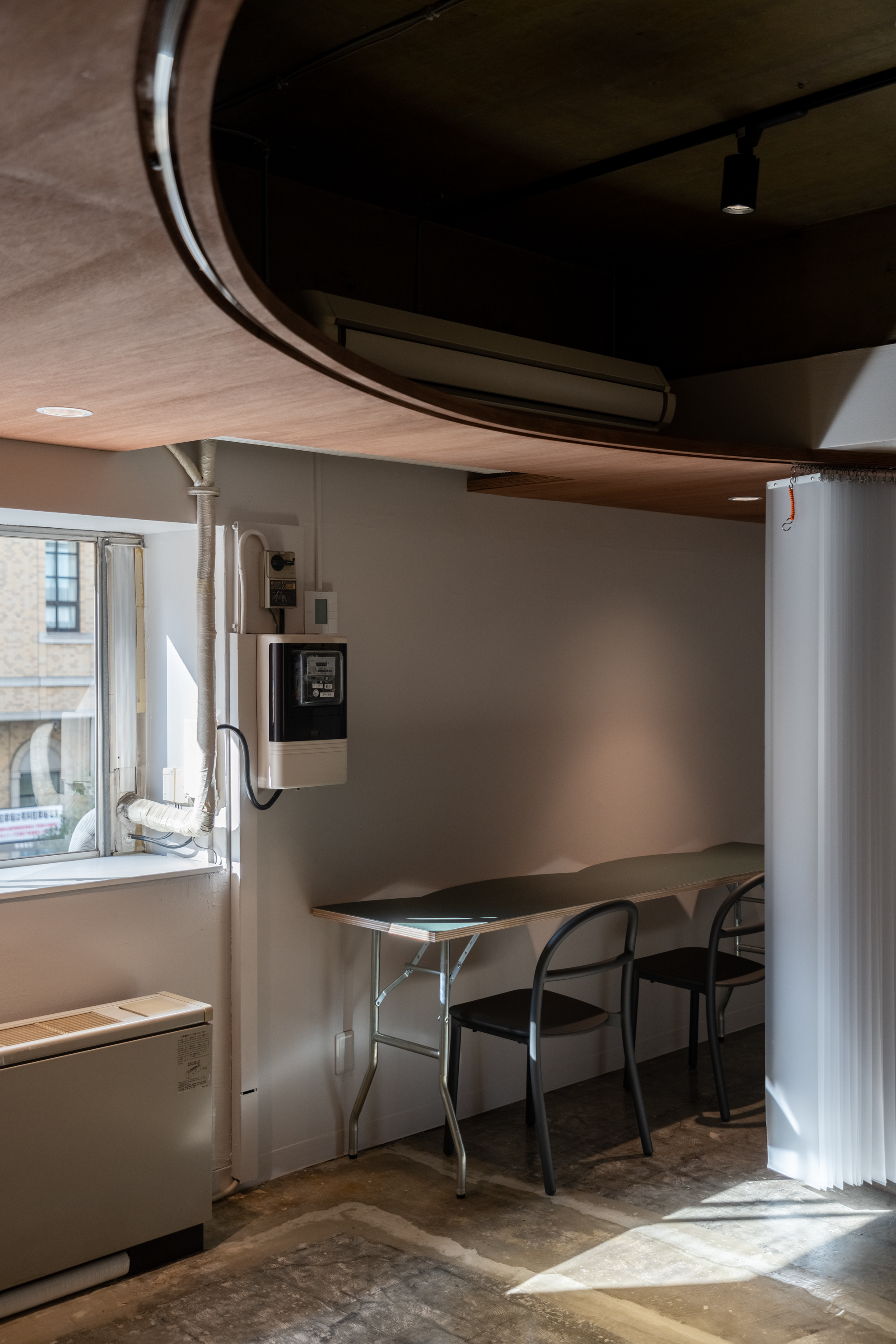
対象とした区画は、避難経路上に位置するという法規上の制約に加え、下階の搬出入ヤードに必要な天井高さを確保するため床レベルが持ち上げられた結果、天井高が圧縮された低天空間となっていた。地上からのアクセス性は高いものの、これらの条件が重なり合うことで、積極的な用途提案がなされにくい状態が続いてきた。
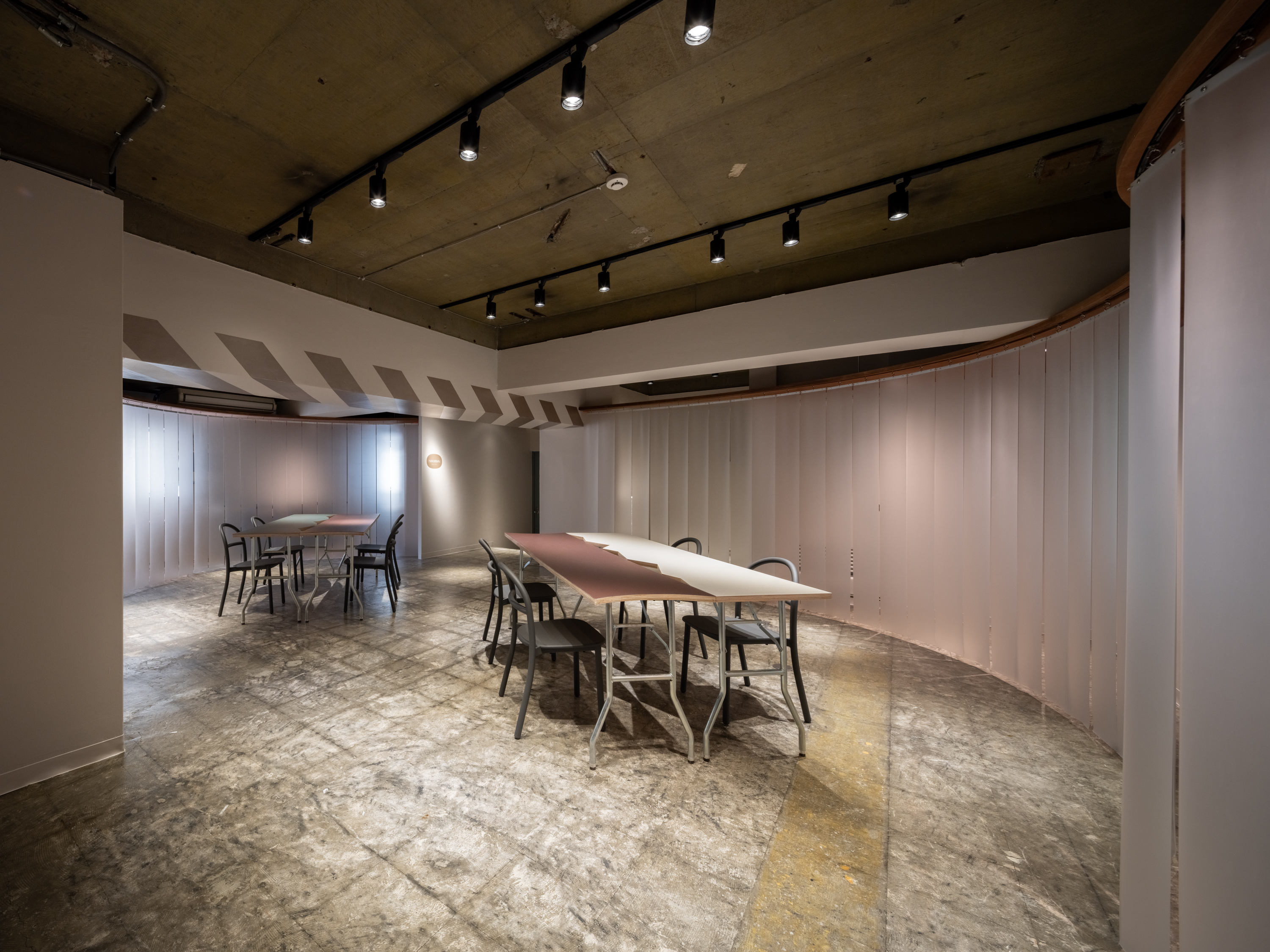
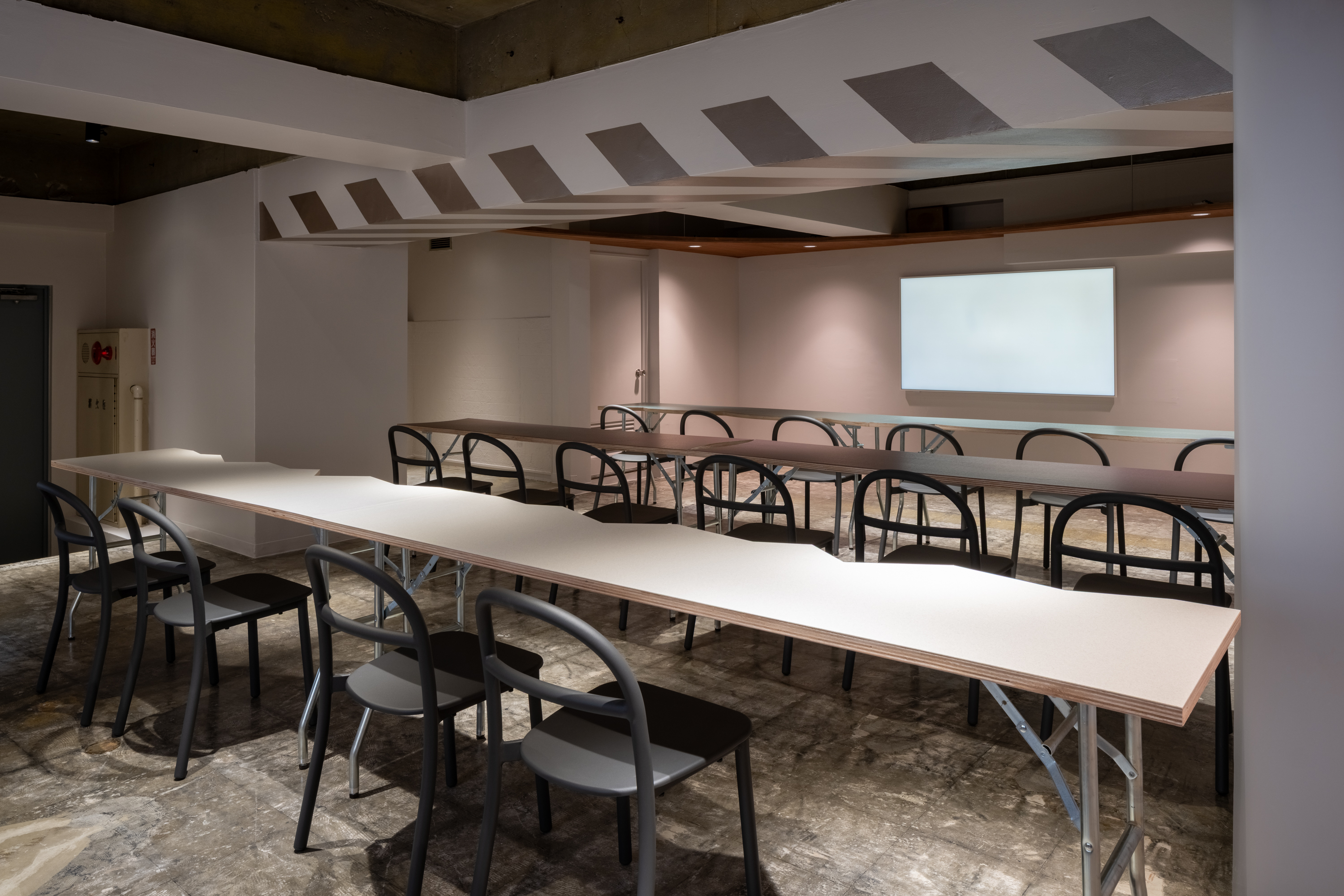
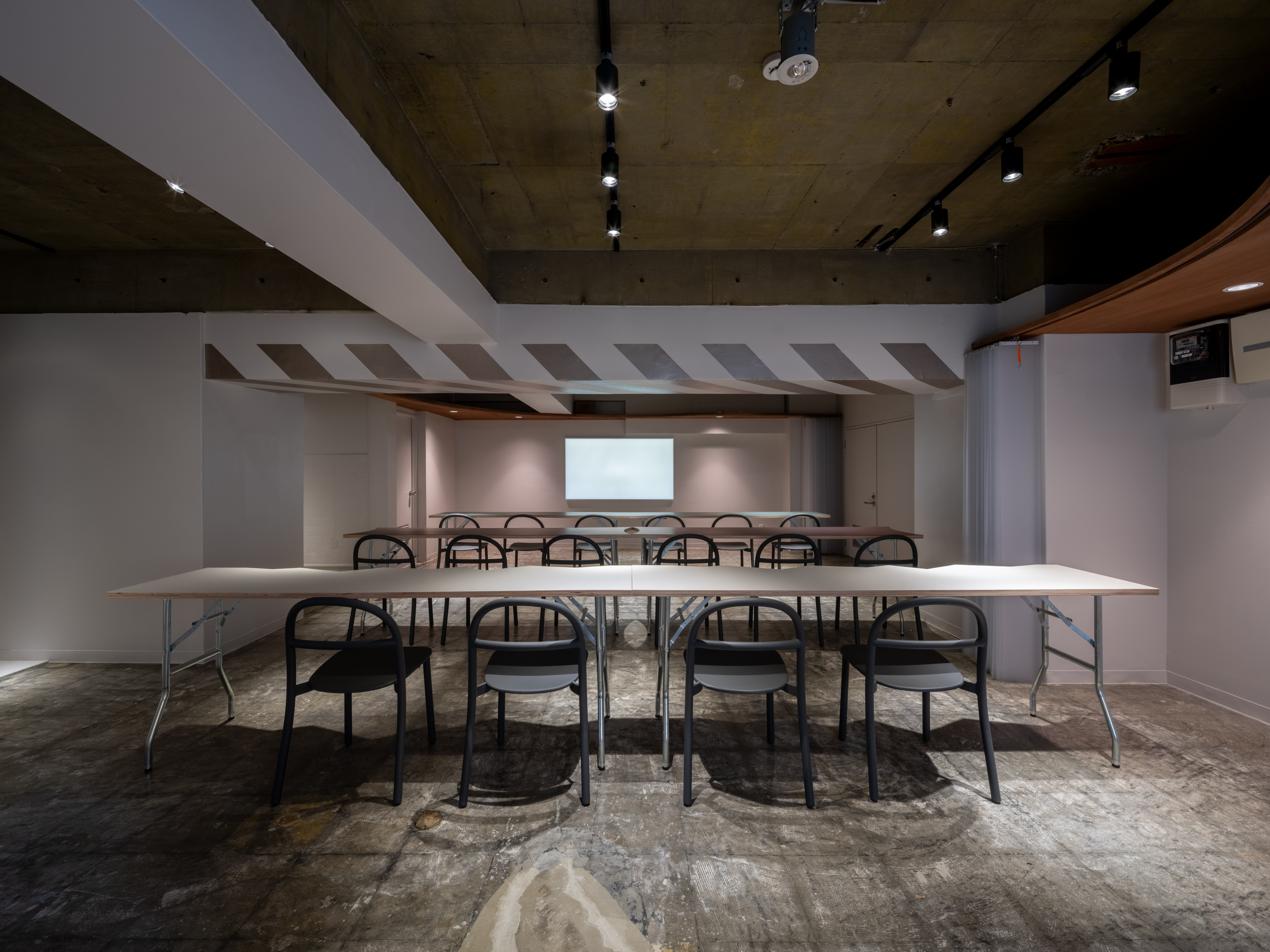
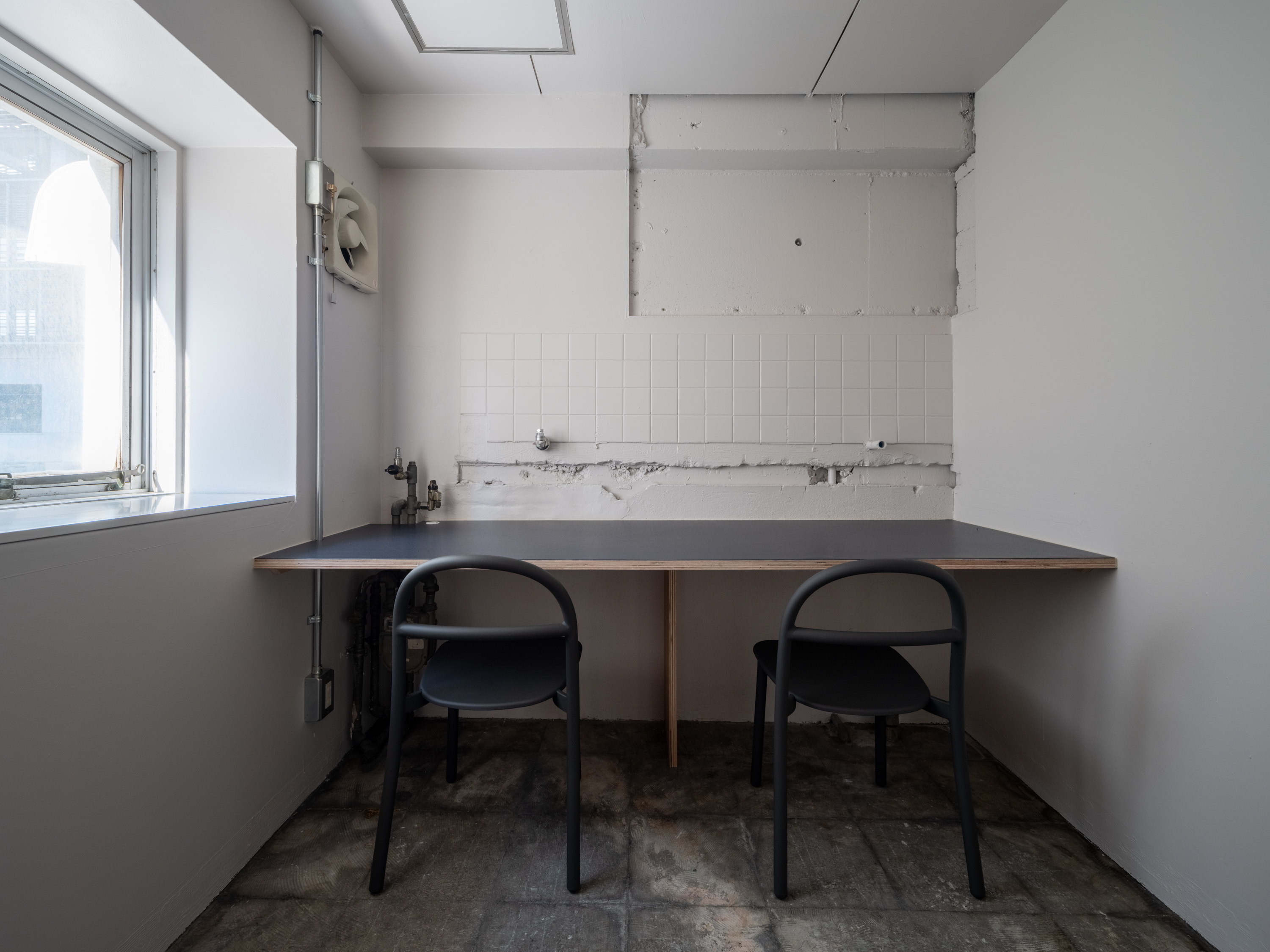
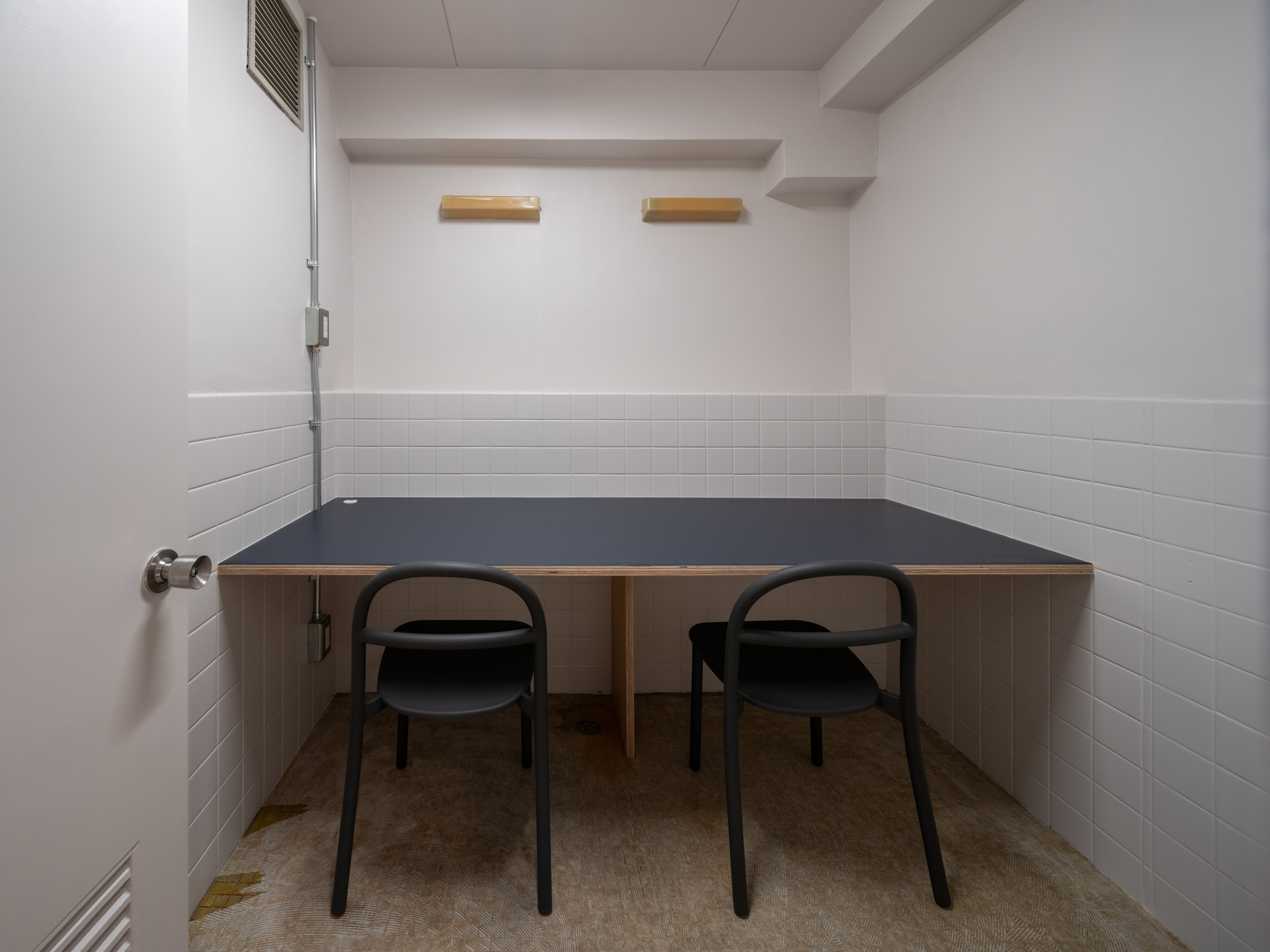
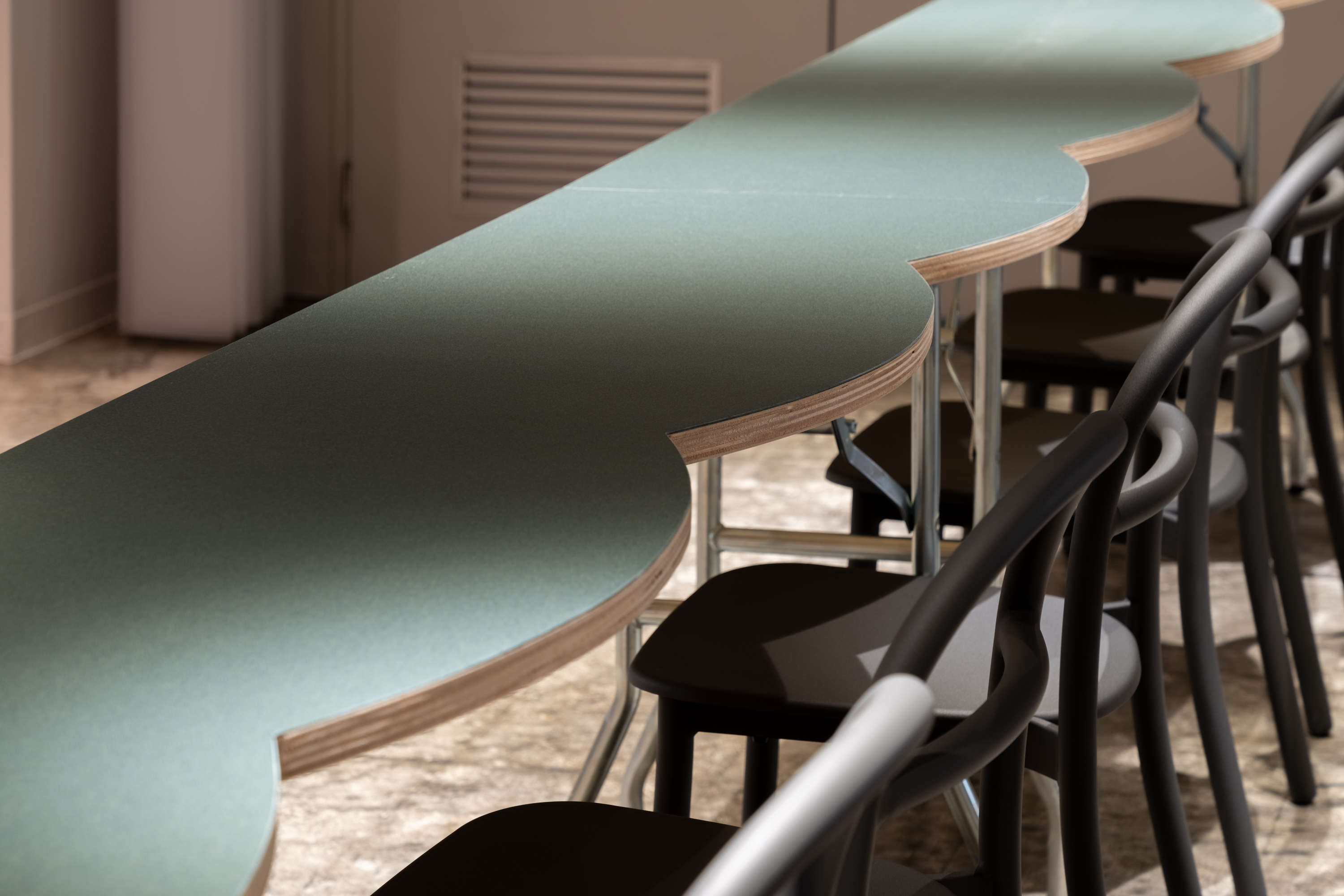
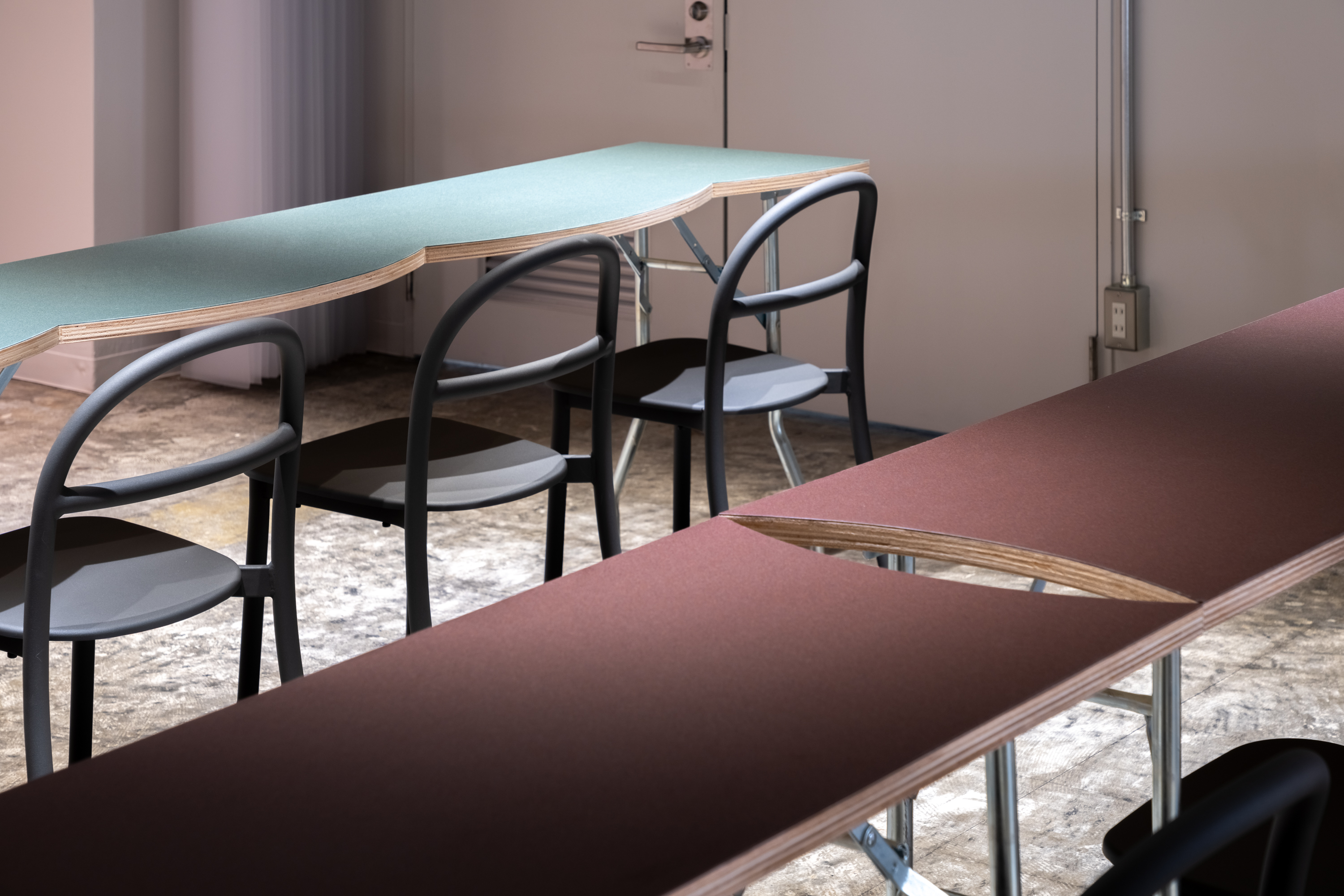
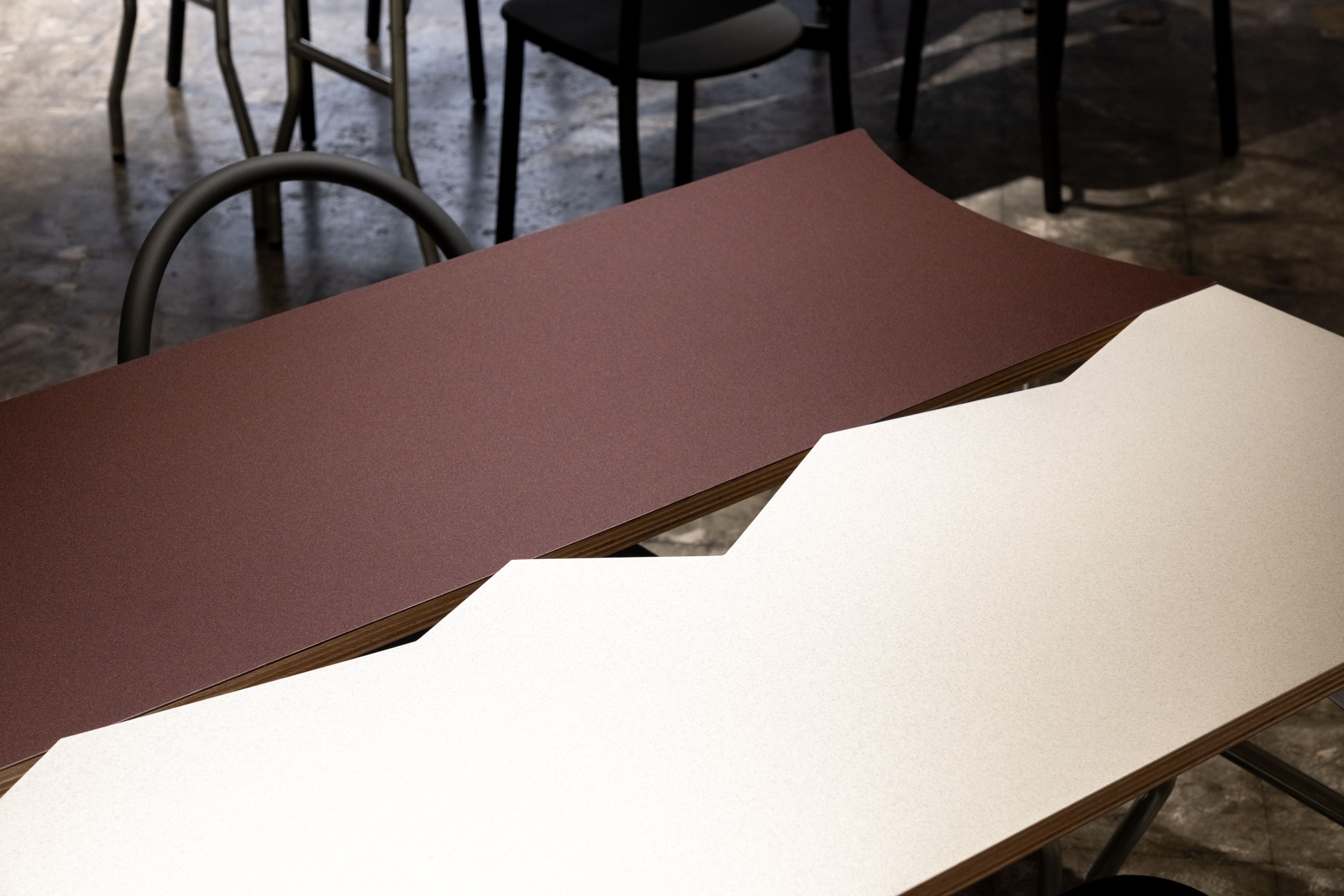
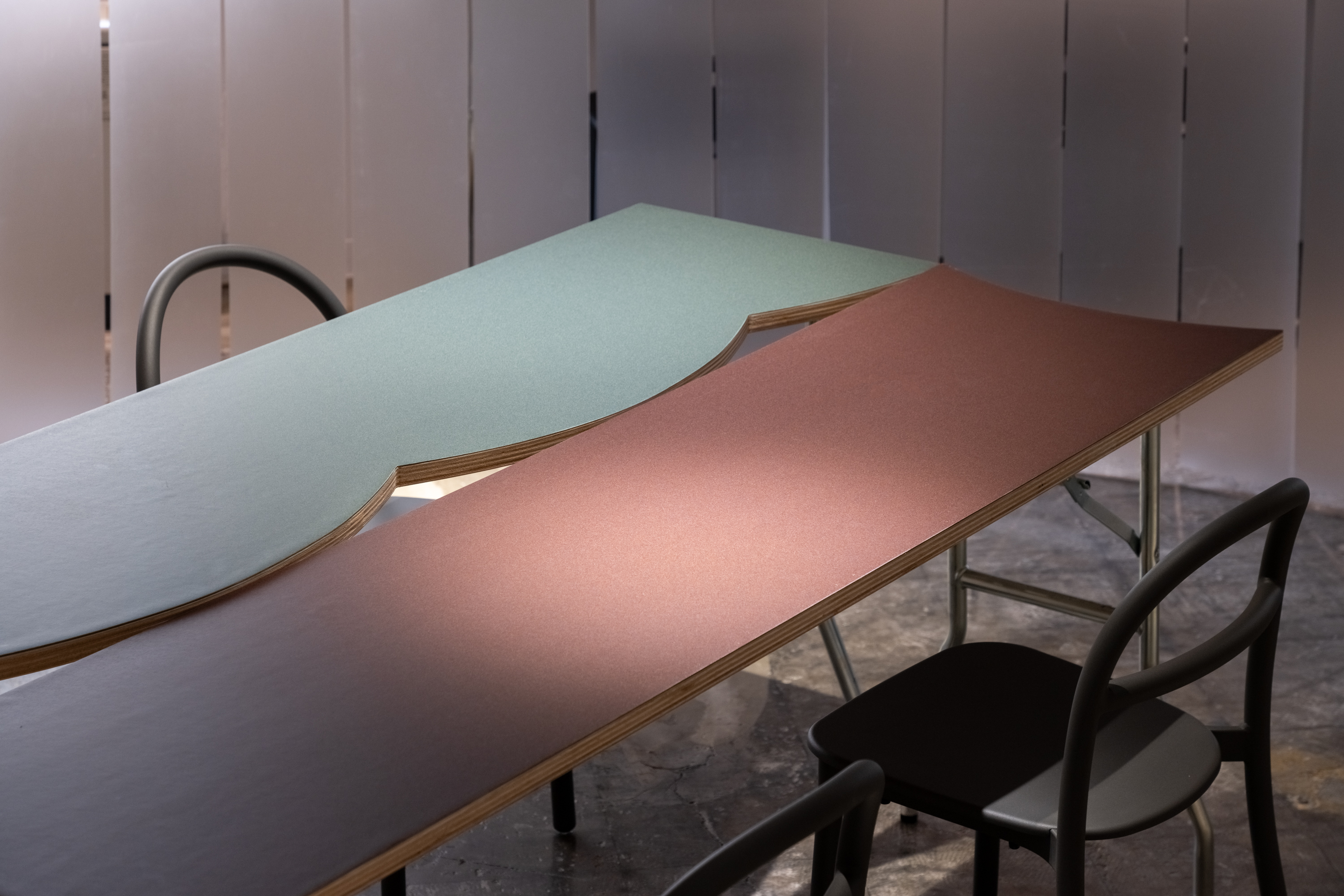
本計画では、この状況を単なる未利用空間として捉えるのではなく、建築的制約や履歴によって生じた「解釈の余白」として再定義している。サテライトワークスペース、貸し会議室、セミナールームという複数の用途を内包するラウンジとして機能しつつ、対象階に求められる二方向避難を成立させることを前提に、空間全体の再構成を行った。
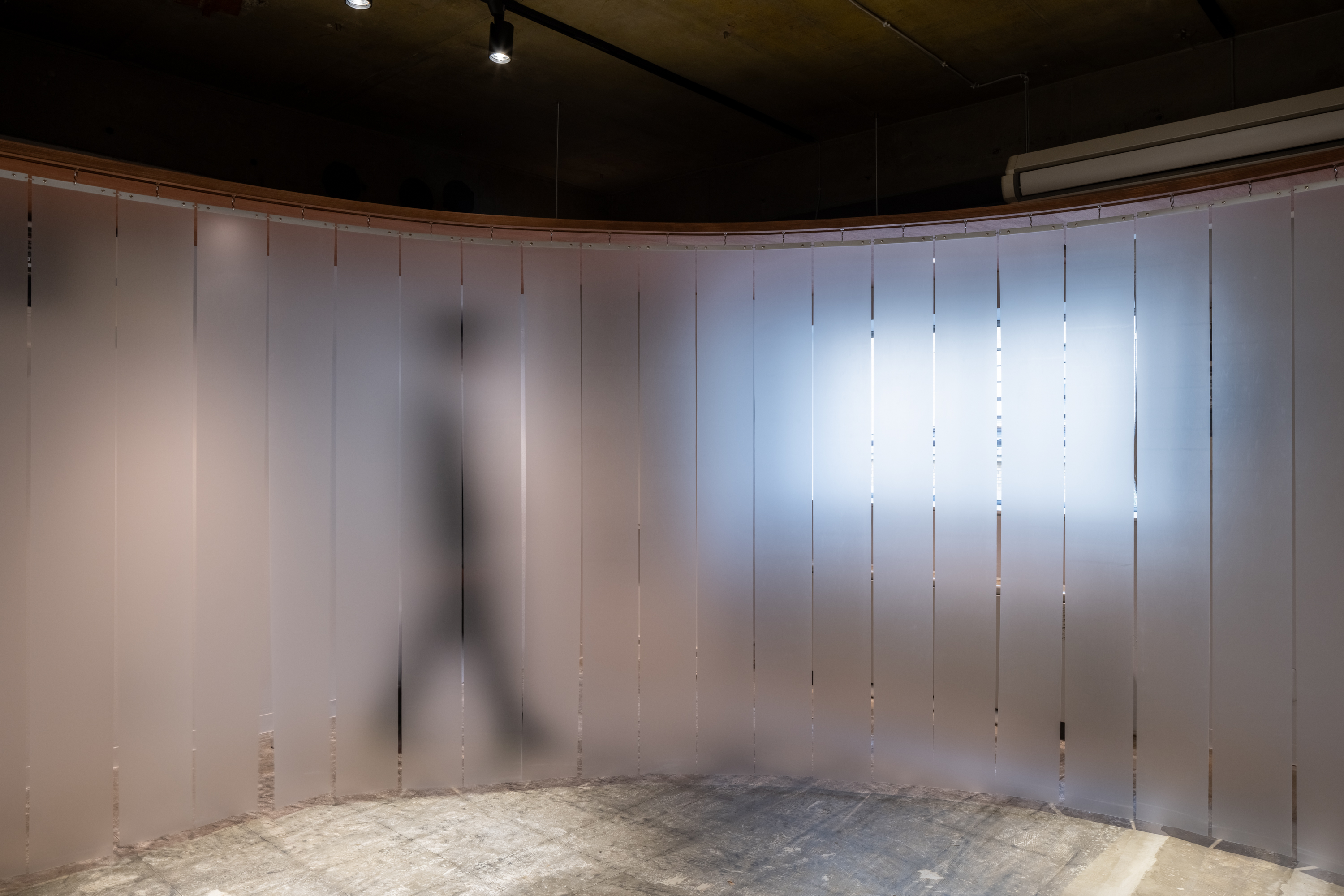
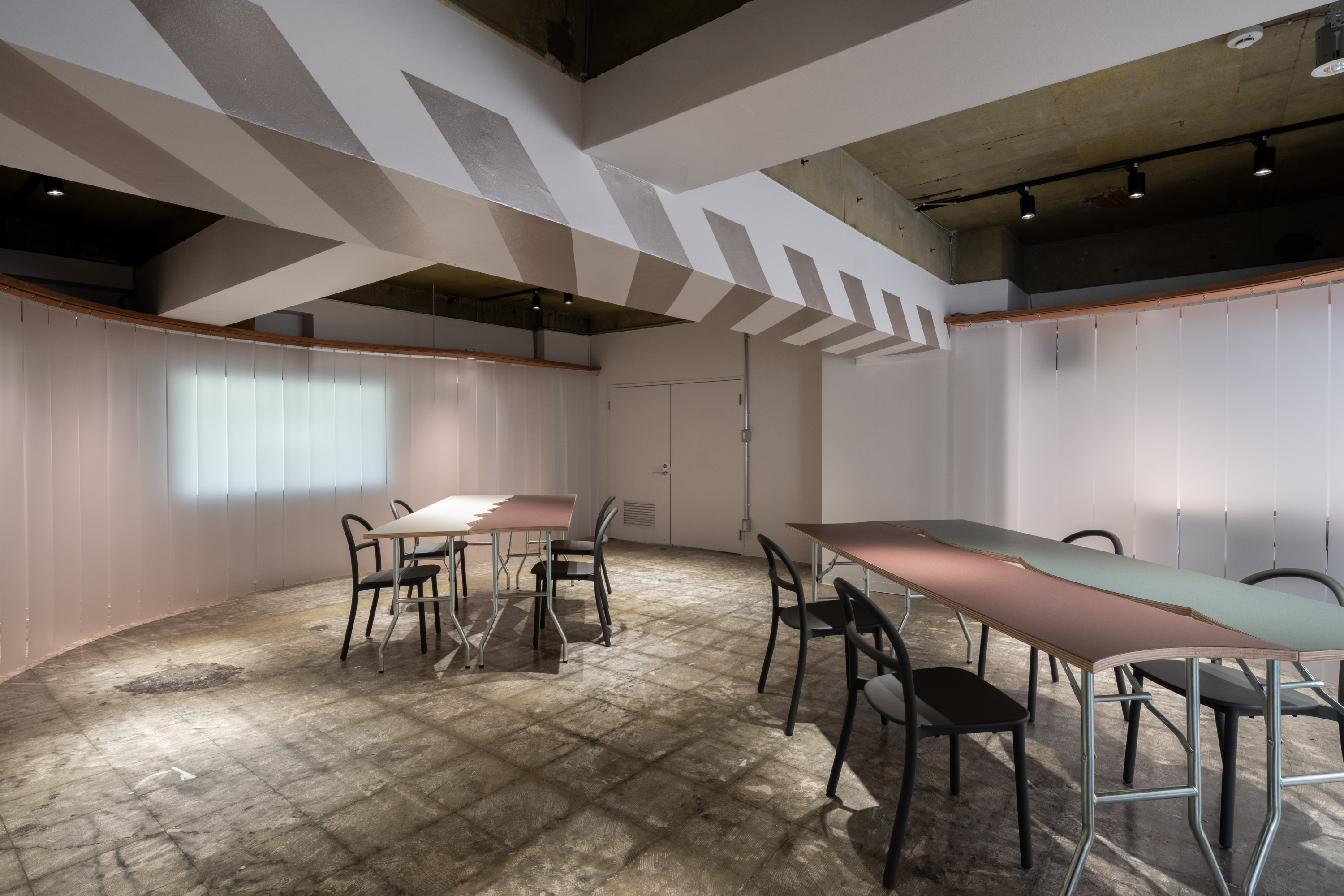
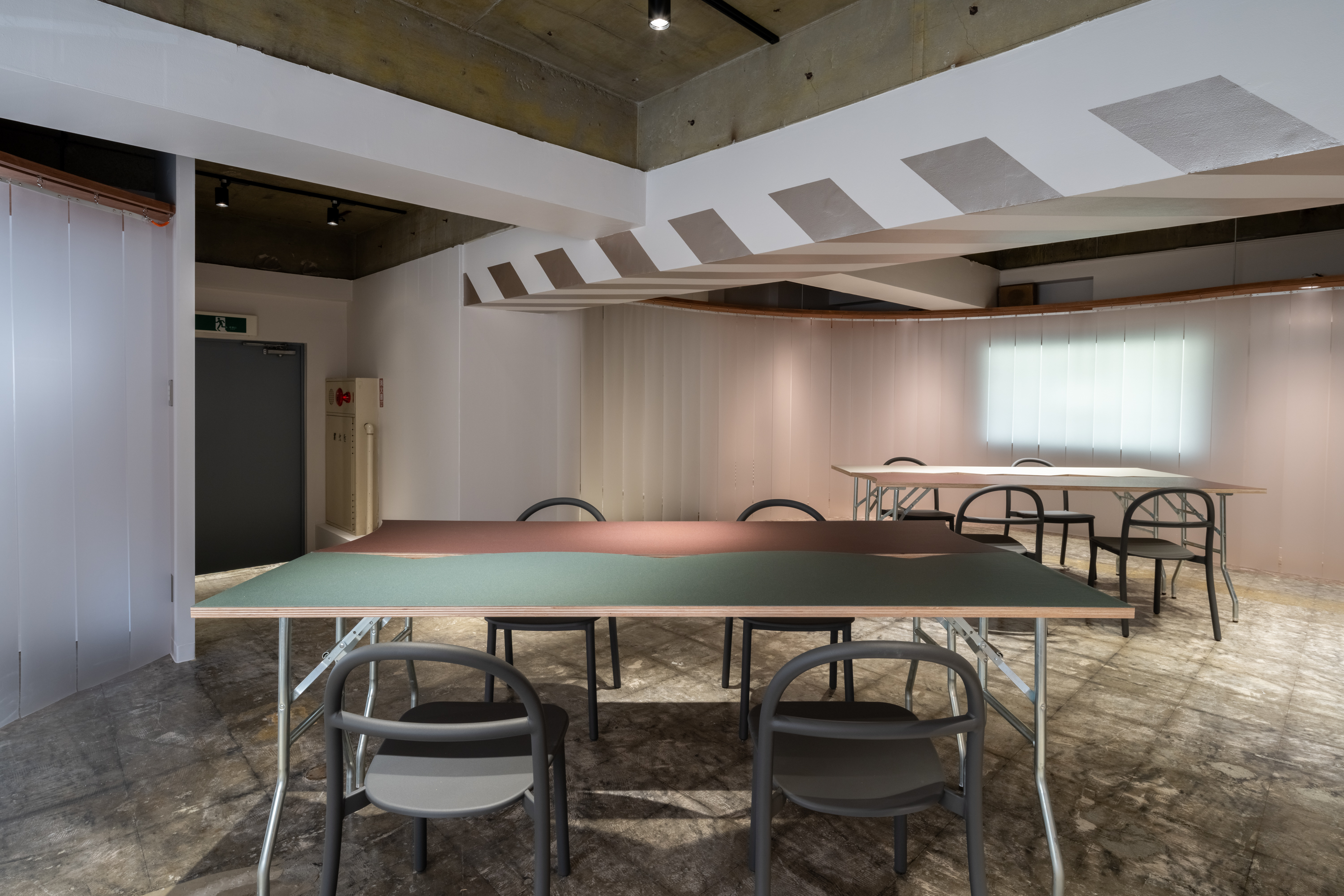
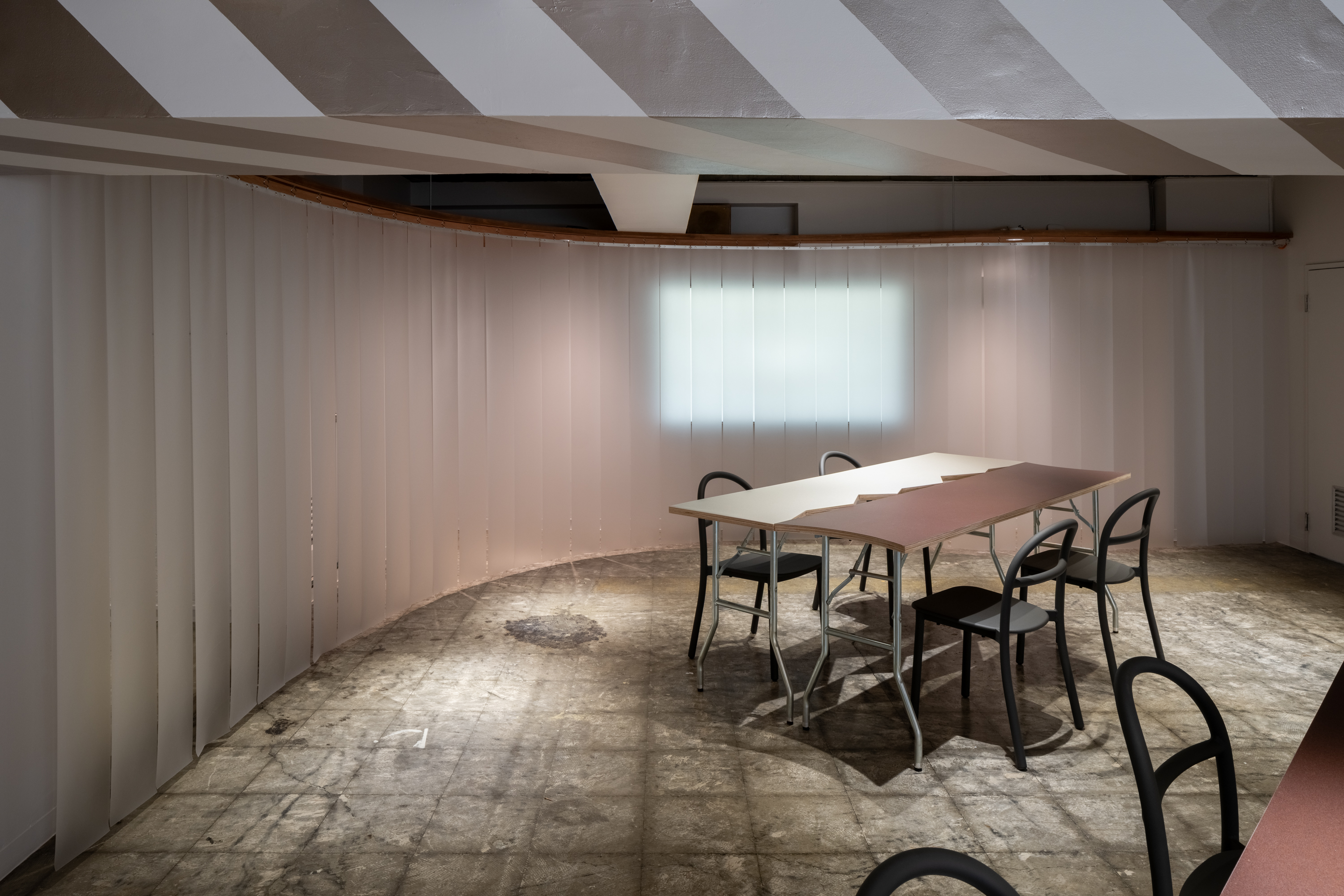
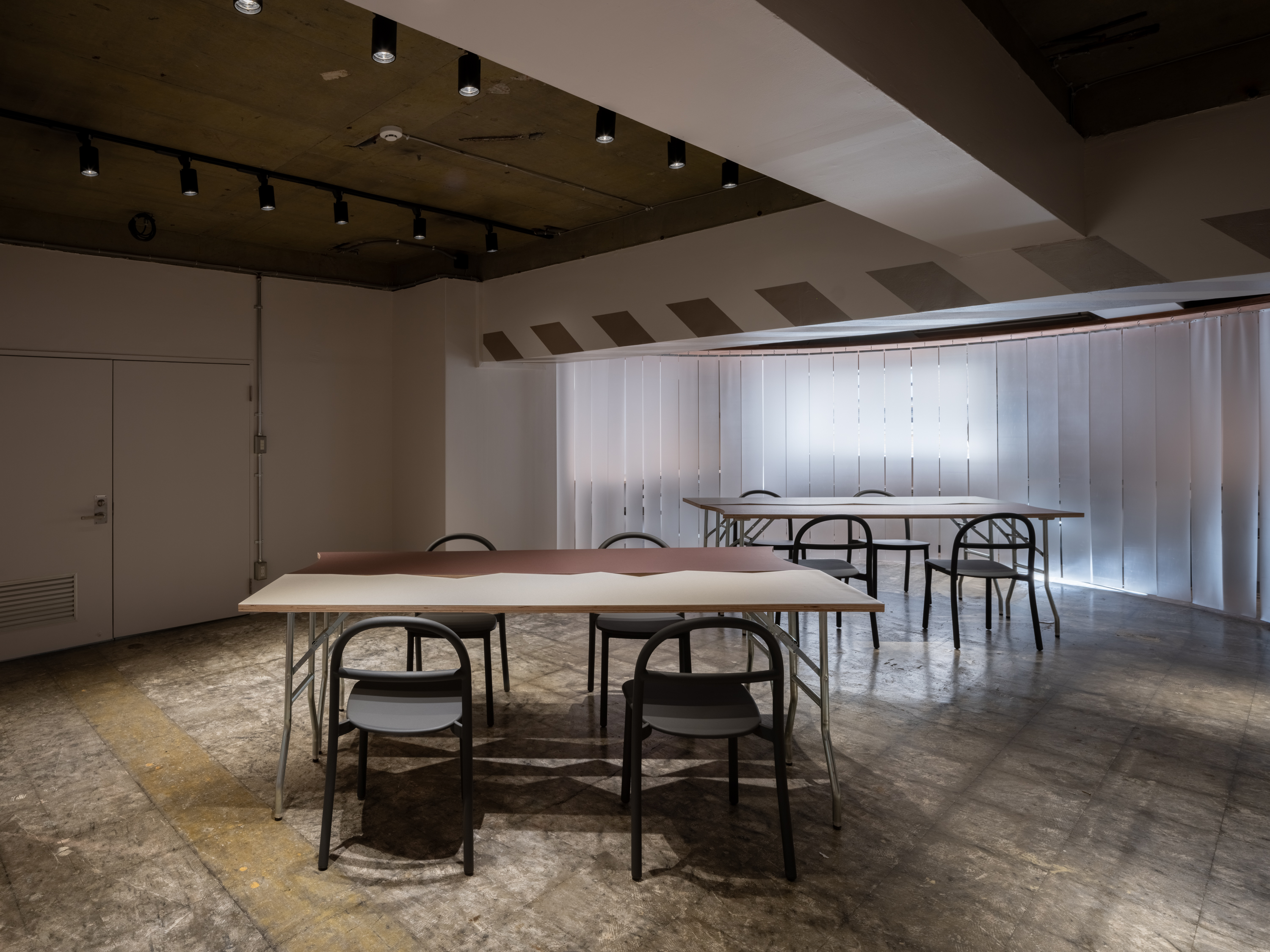
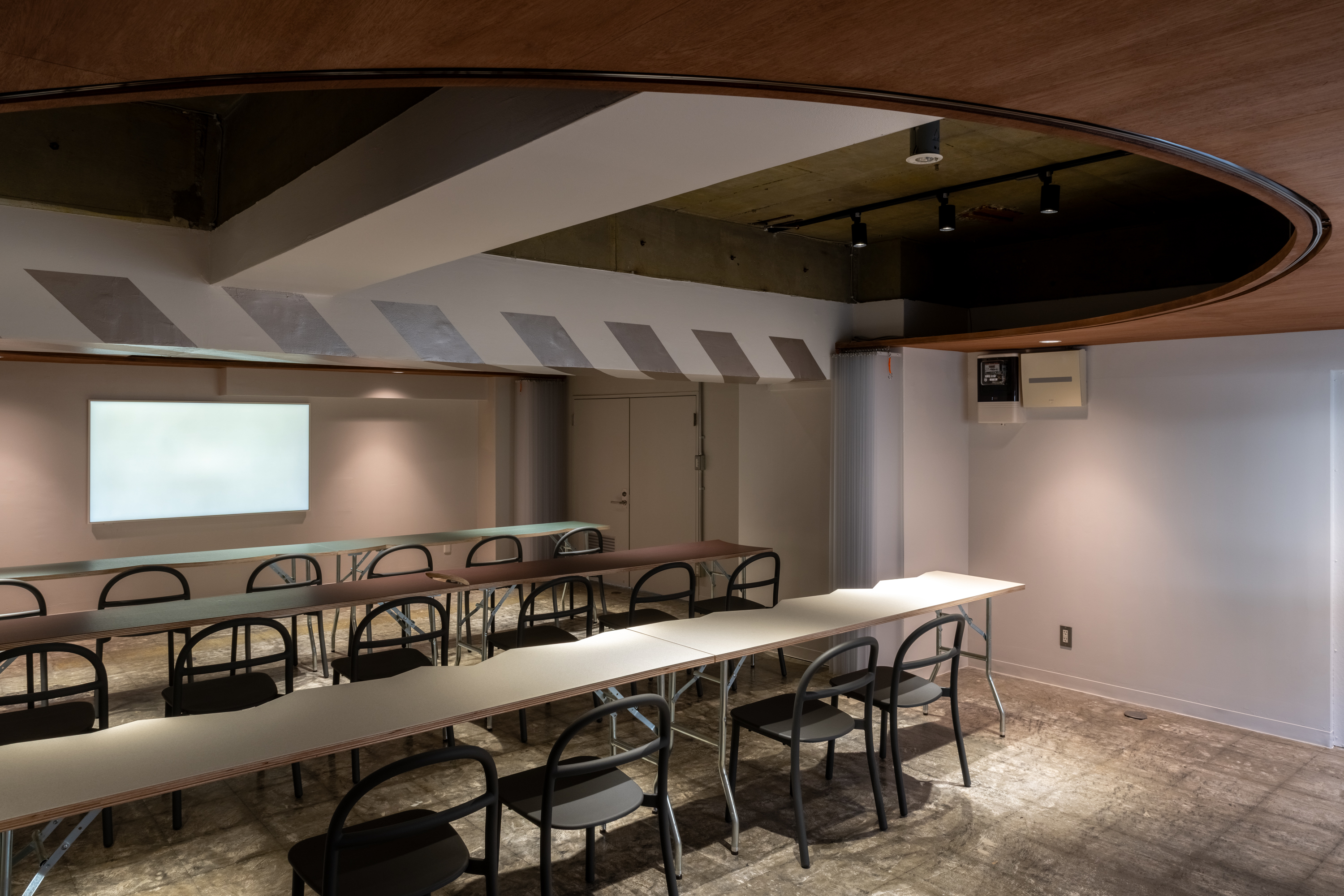
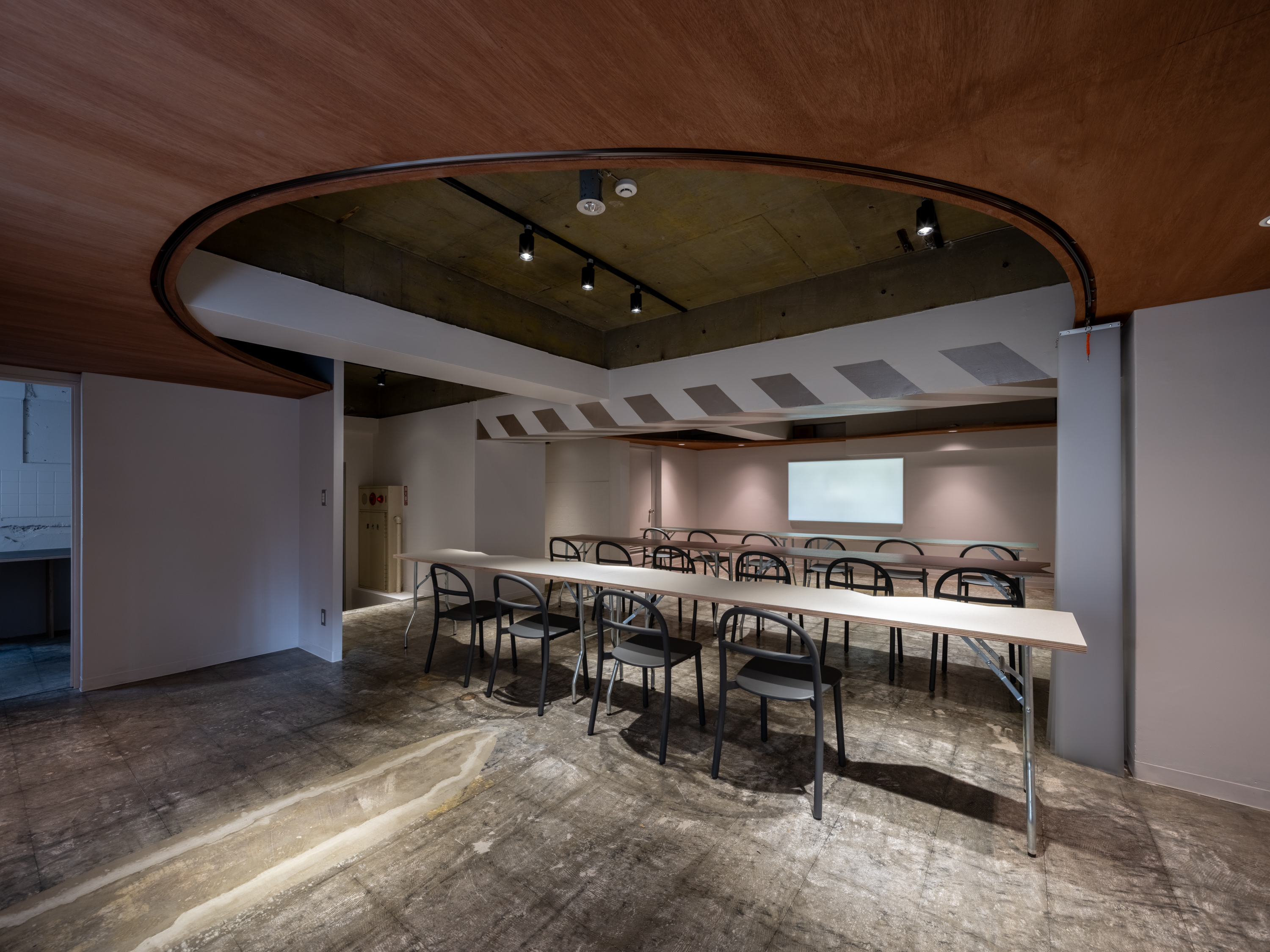
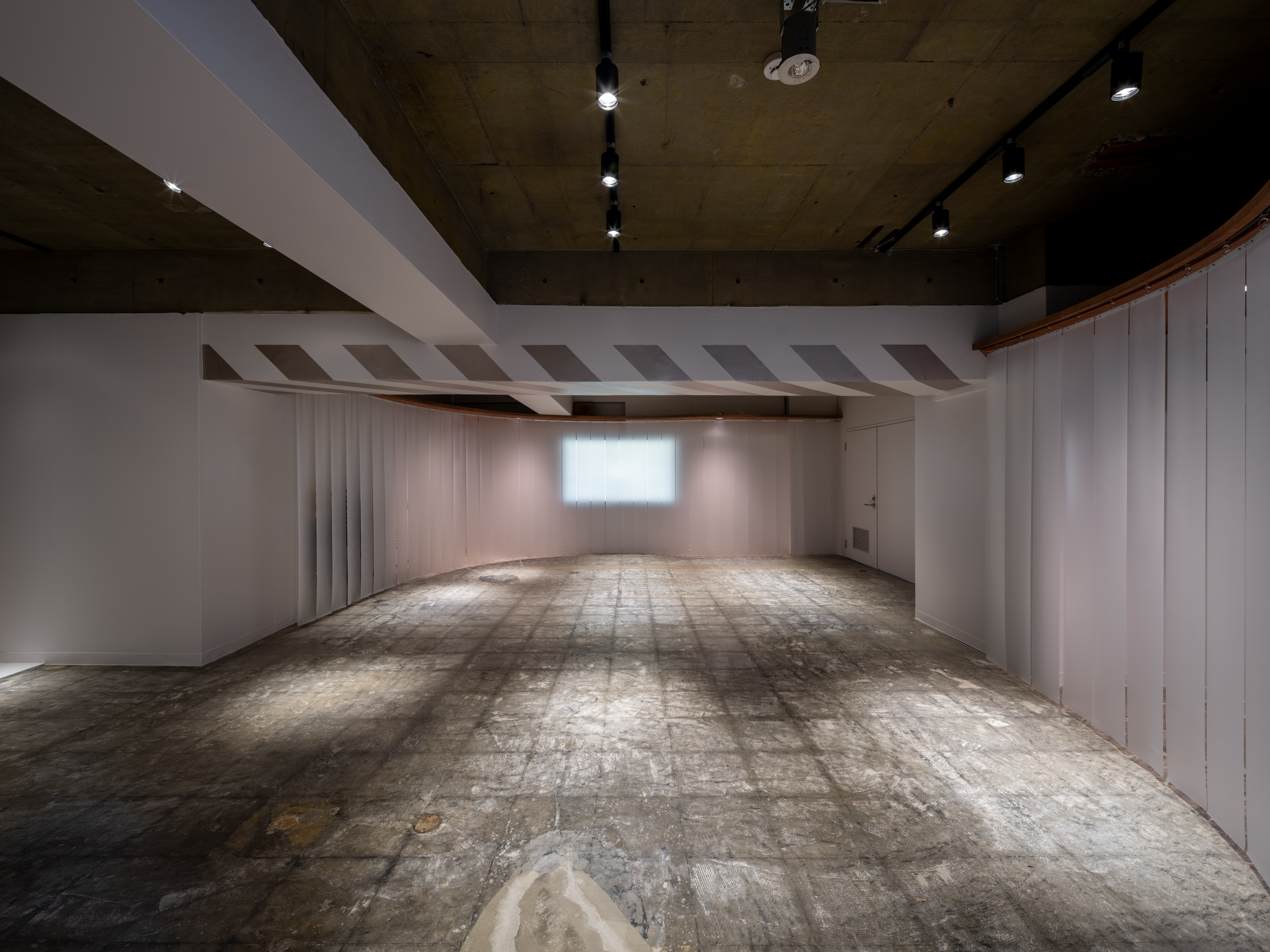
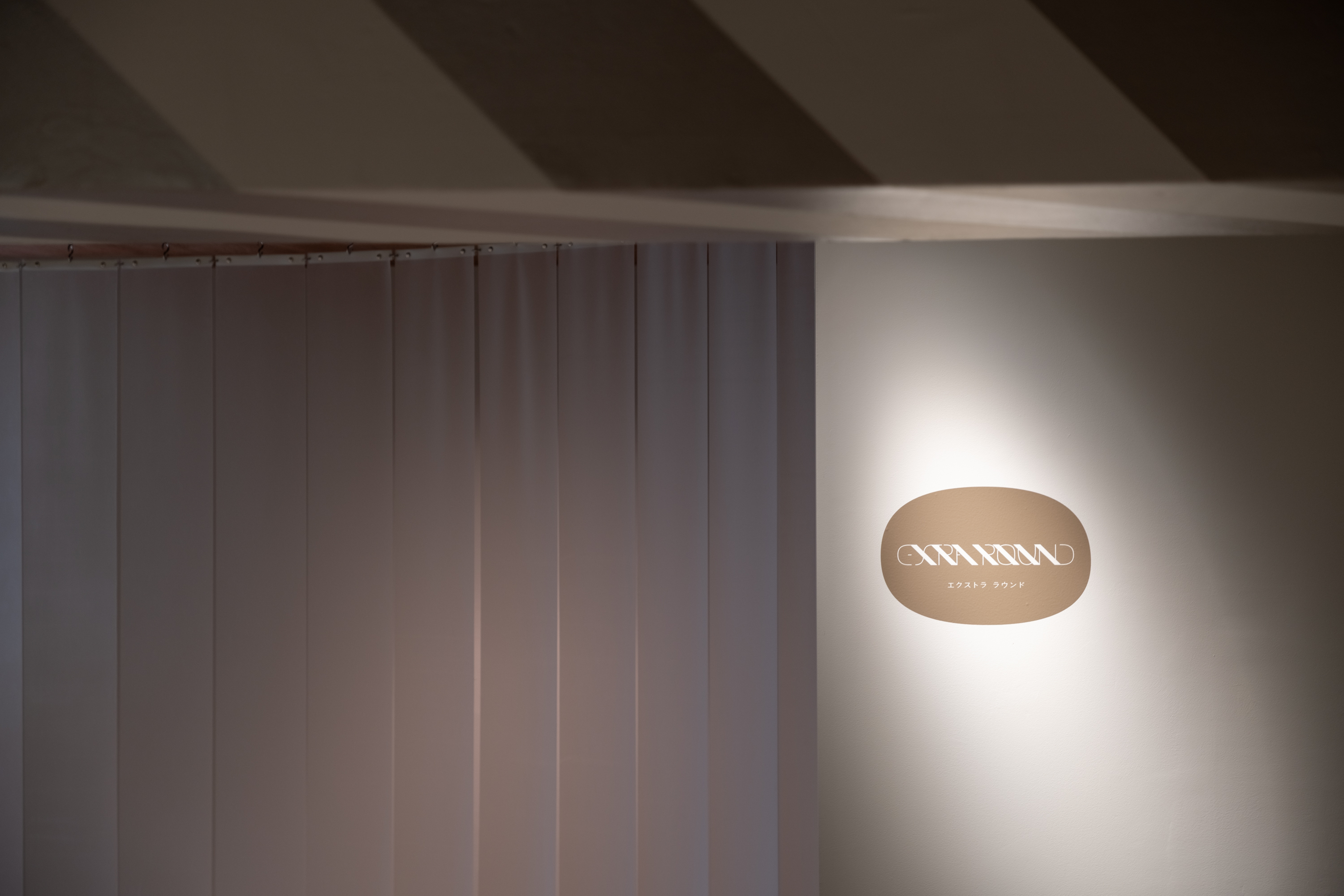
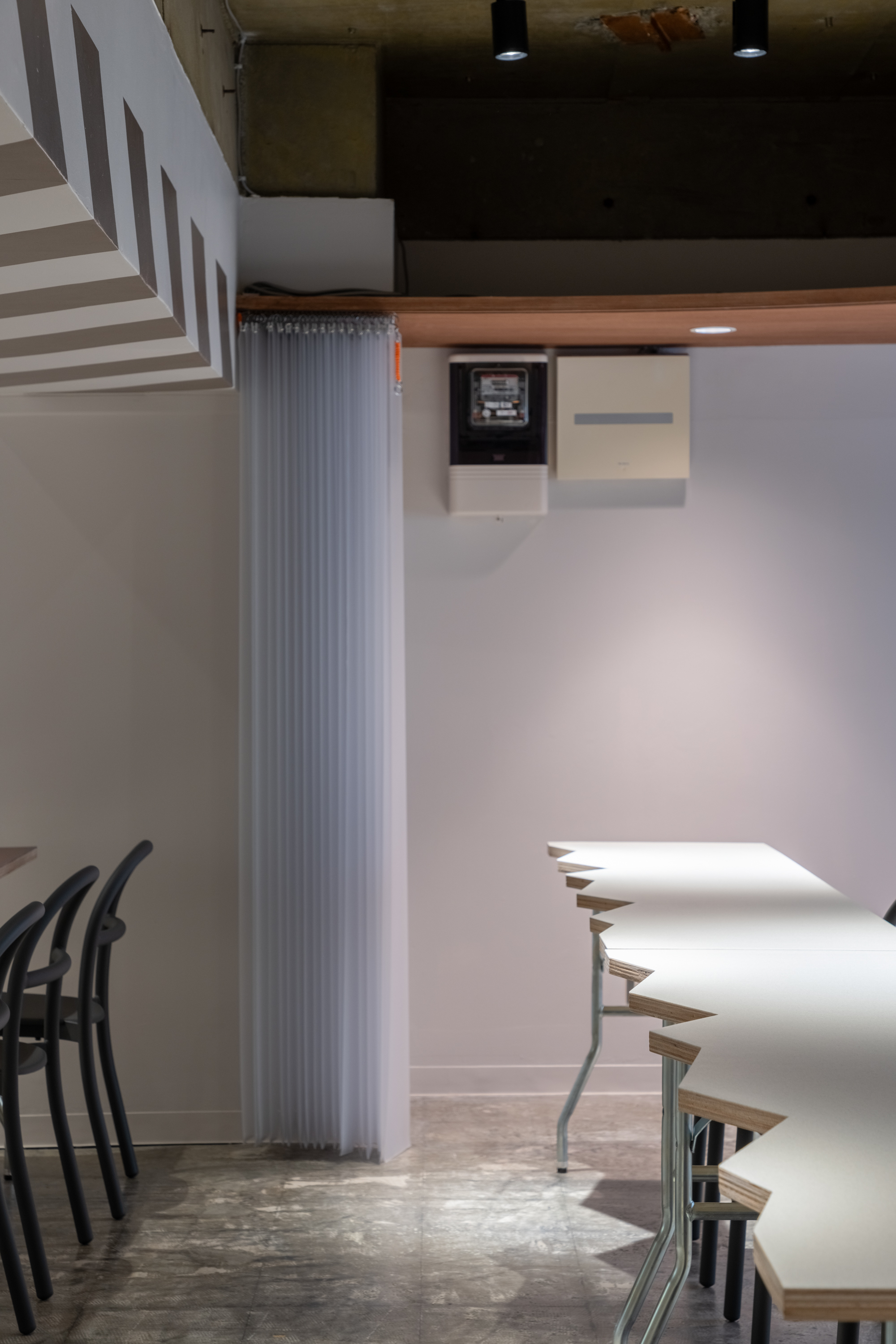
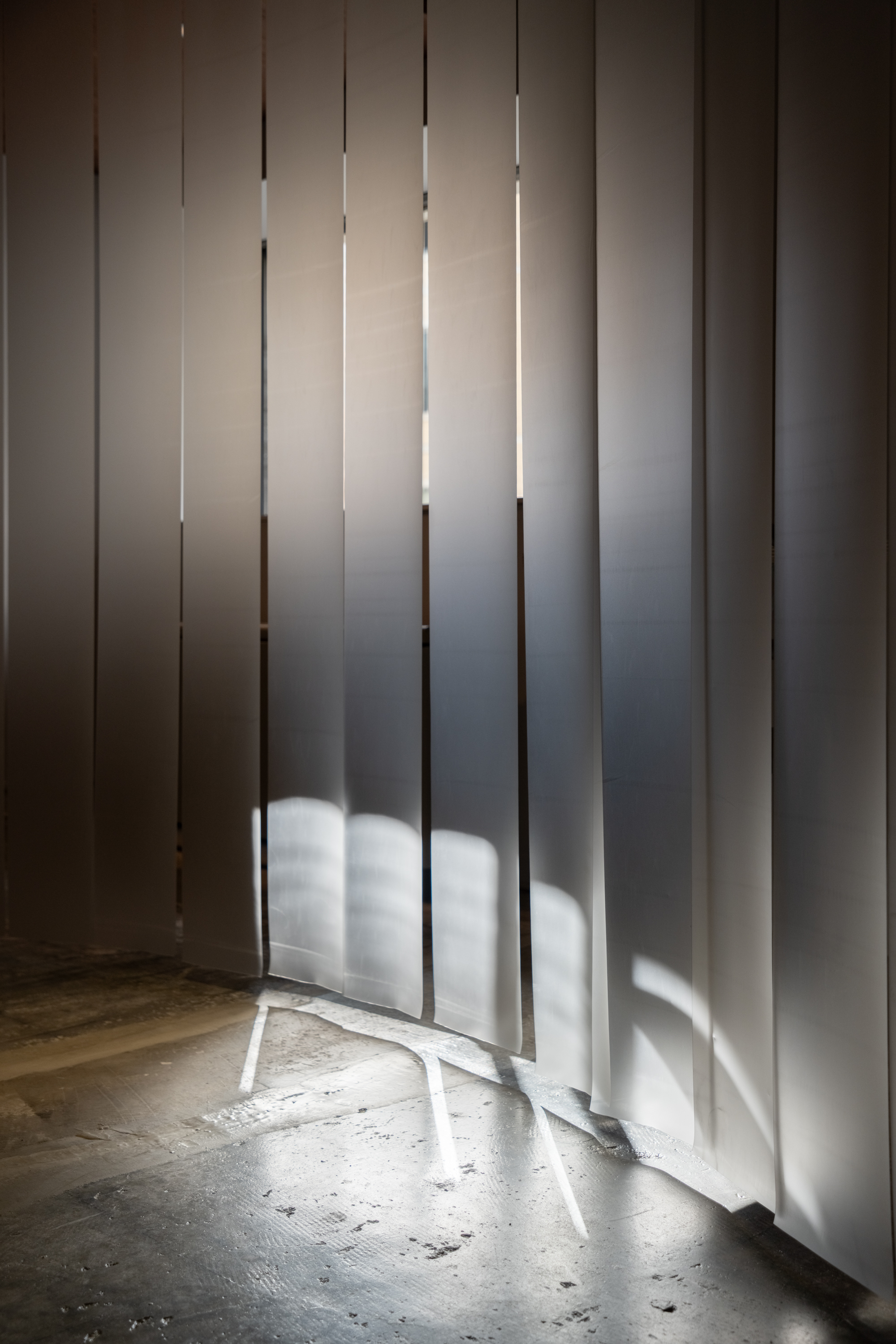
内部空間は、たまご型のような平面形状をなぞるようにレールを設け、短冊状の半透明ビニルカーテンを吊ることで、恒久的な壁ではなく、透過性と可動性を備えたやわらかな境界を生み出している。流線型の間仕切りは、利用者の視線を途切れさせることなく、避難出口の方向へと自然に導くよう計画されている。
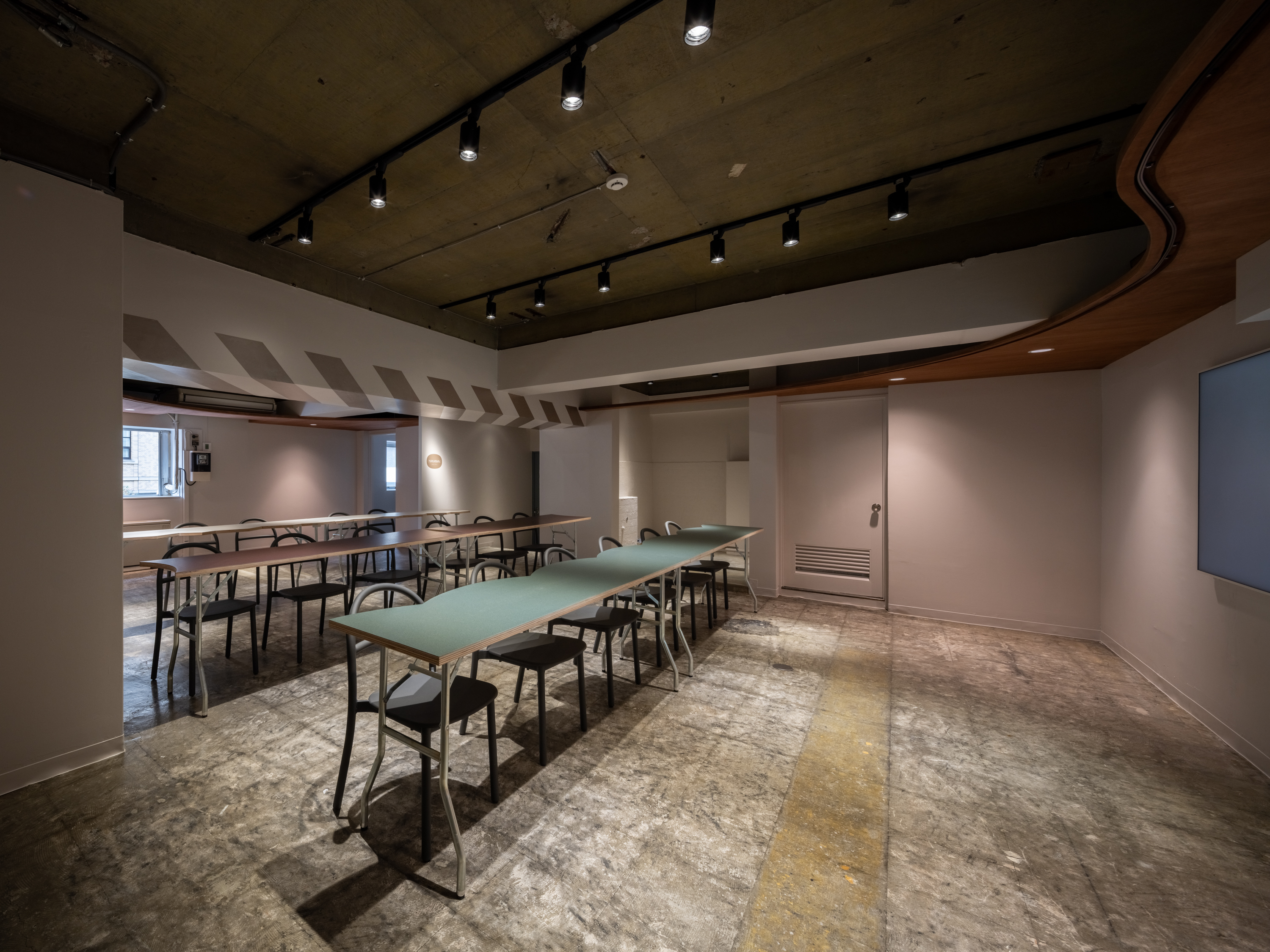
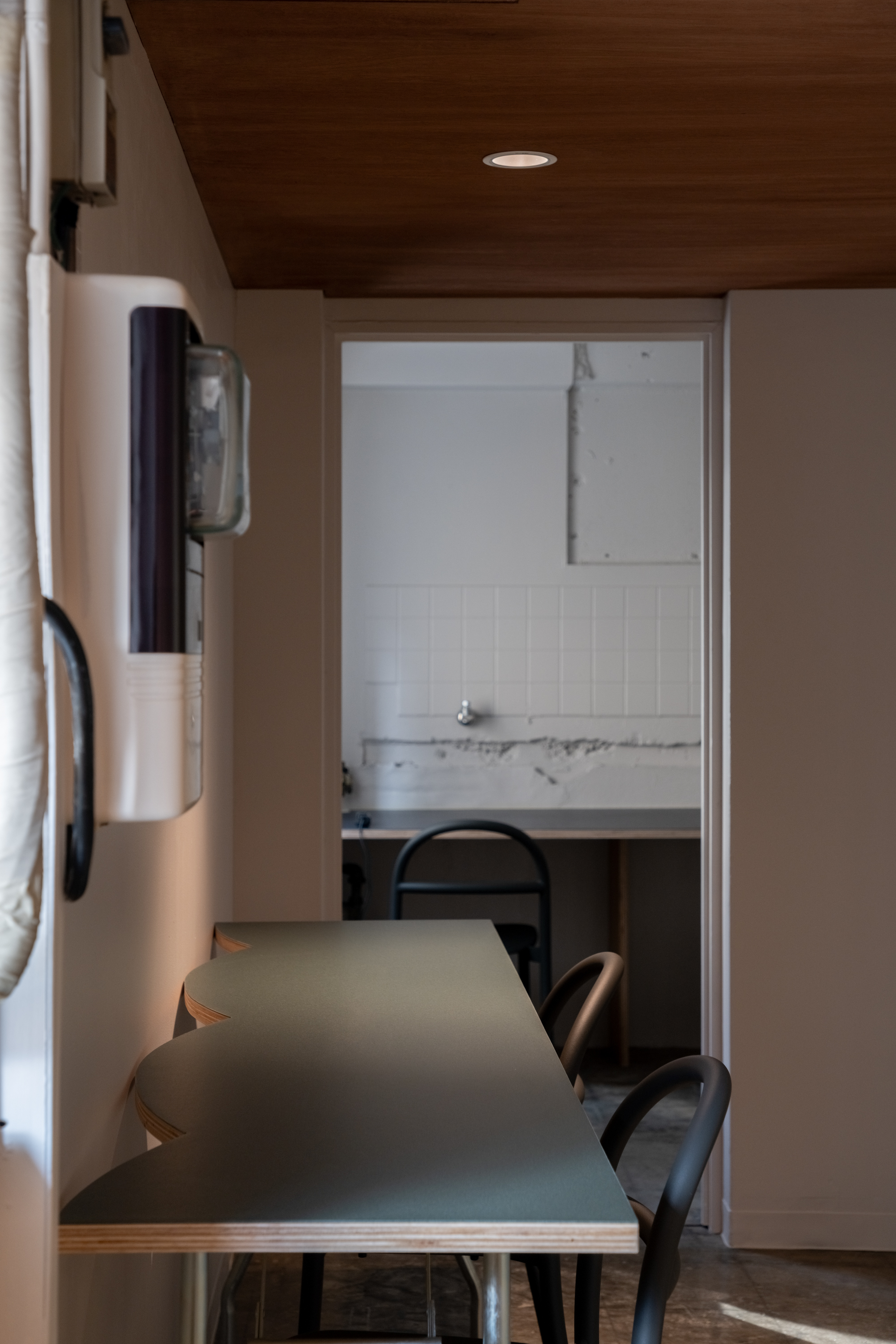
圧縮された天井高は、視線を水平方向へと引き延ばす空間操作によって再解釈され、制約としてではなく、身体スケールに密着した連続的な空間体験として立ち上がっている。
EXTRAROUND は、かつての用途や過去のリーシングにおいて暫定的な利用が重ねられてきた空間に対し、建築的な読み替えを与えることで新たな役割を付与する試みである。複合用途ビルの内部に蓄積された時間的レイヤーに対し、避難経路、用途混在、低天空間という複数の要請を重ね合わせながら、もう一巡の更新を加える場として本計画は位置づけられている。
This project is arenovation of a portion of a large warehouse building located in Minato Ward,Tokyo.
The building has historically been composed as a mixed-use complex centered onwarehouse functions, incorporating a bowling alley, restaurants, and offices.
The building once housed Juliana’sTokyo, a disco symbolic of Japan’s bubble-era culture. Today, adaptivereuse projects that take advantage of the large open spaces characteristic ofwarehouse architecture are underway on each floor, and the building continuesto embody a period in which urban consumer culture and warehouse architectureintersected.
The area addressed in thisproject is located along an evacuation route and is subject to regulatoryconstraints. In order to secure sufficient ceiling height for the loading andunloading yard on the floor below, the floor level was raised, resulting in alow-clearance space with a compressed ceiling height. Although the area hasgood access from ground level, the accumulation of these conditions made itdifficult for proactive proposals for use to emerge over time.
Rather than regarding thissituation as a simple case of unused space, the project redefines it as an“interpretive margin” produced by architectural constraints and accumulatedhistories. The space functions as a lounge that accommodates multiple uses—includinga satellite workspace, rentable meeting rooms, and a seminar room—while alsomeeting the requirement for two-directional means of egress on the floor. Basedon this premise, the entire space was reorganized.
Within the interior, railsare laid out following an egg-like plan geometry, from which narrow strips ofsemi-transparent vinyl curtains are suspended. Instead of permanent walls,these elements create soft boundaries with permeability and mobility. The streamlinedpartitions guide users naturally toward the evacuation exits withoutinterrupting their lines of sight.
The compressed ceilingheight is reinterpreted through spatial operations that extend the field ofvision horizontally, transforming what could be perceived as a constraint intoa continuous spatial experience closely aligned with the scale of the human body.
EXTRAROUND is an attempt to assign a new role to a space that had supportedsuccessive provisional uses under past leasing conditions. By layeringrequirements related to evacuation routes, mixed-use programming, andlow-clearance spatial conditions onto the temporal layers accumulated withinthe building, the project introduces an additional cycle of renewal into thecomplex.


